


Ilya’s Latest Speech: Why Learning Is Our Final Hold in the Age of AI
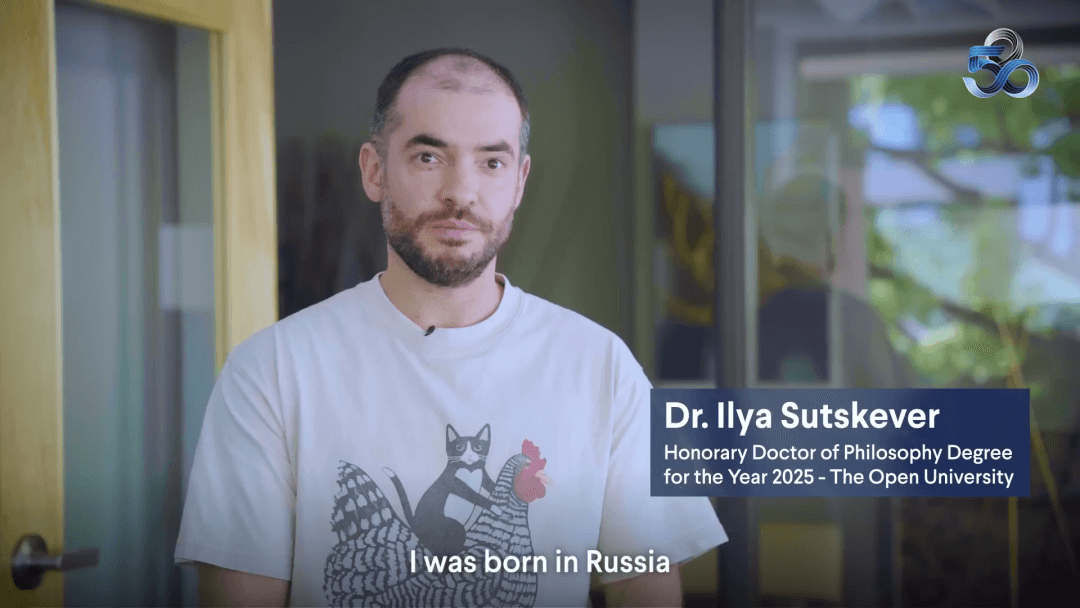
“AI will eventually possess unpredictable capabilities—and we are not prepared for it.” — Ilya Sutskever
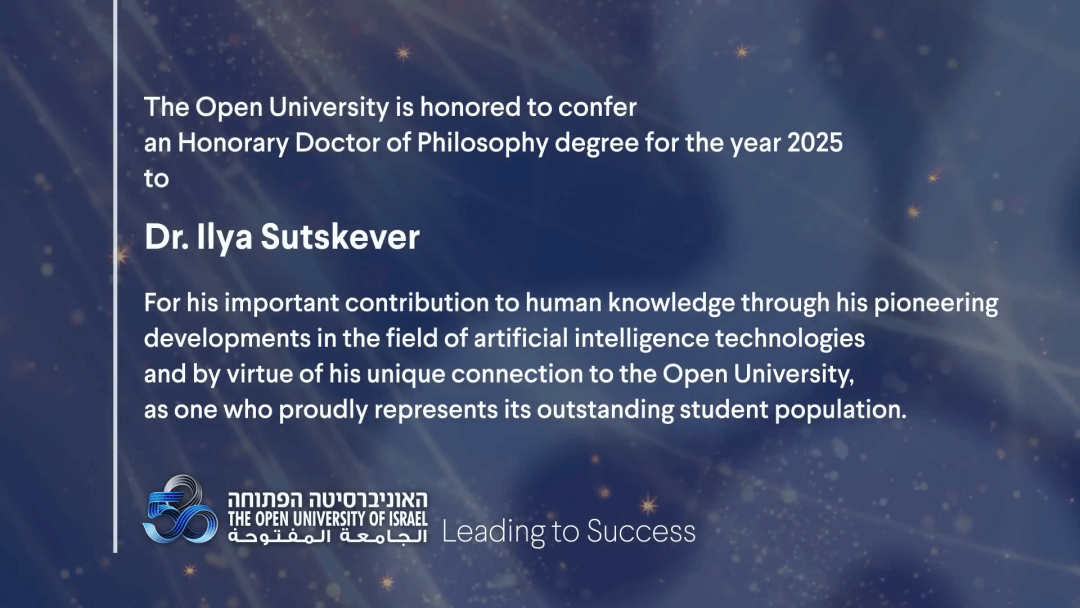
Recently, a speech by OpenAI co-founder and former chief scientist Ilya Sutskever sparked widespread discussion. Delivered while receiving an honorary degree from the Open University, Sutskever traced his journey from Russia to Israel, then to Canada, emerging as one of AI’s leading researchers. Some called it a retrospective, others a candid confession. But more accurately, it was a profound meditation on the nature of learning—the force that shaped his life and may well shape the future of AI.
01. Self-Education Changed His Life
Sutskever was born in Russia and moved to Israel with his parents at age five. A naturally bright student, he stumbled upon the Open University in eighth grade and began studying its materials independently. For the first time, he felt the confidence that “anything can be understood—if you read slowly enough.”
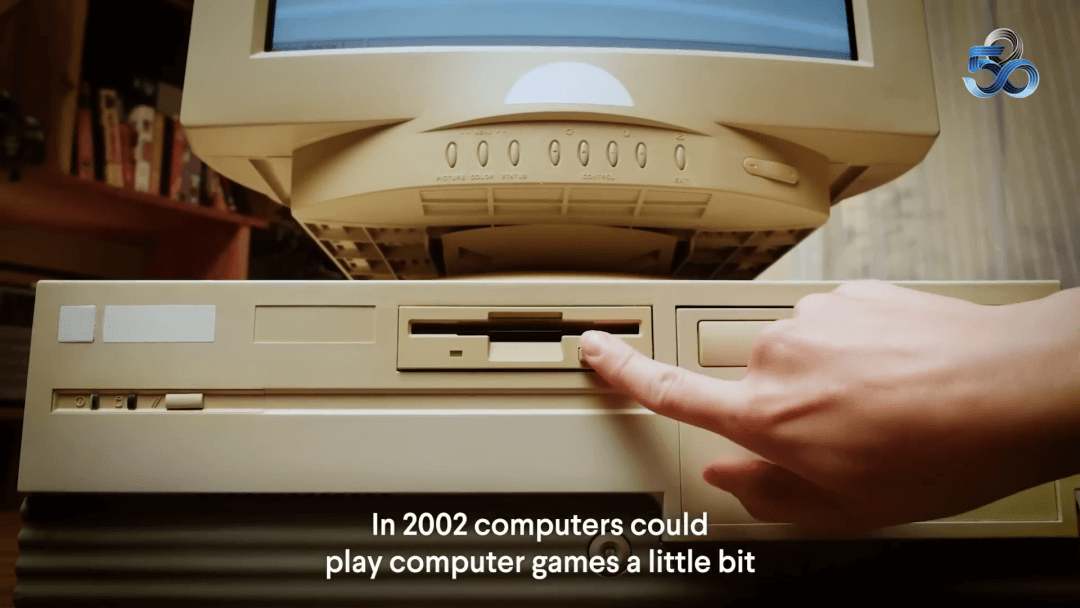
Later, his family relocated to Toronto. Instead of re-entering high school, he frequented public libraries, searching for books on machine learning. It was 2002—ML was still a niche academic field, expert systems dominated, and image recognition was in its infancy. He wasn’t chasing trends but following his own curiosity: Can computers learn? Is learning even possible?
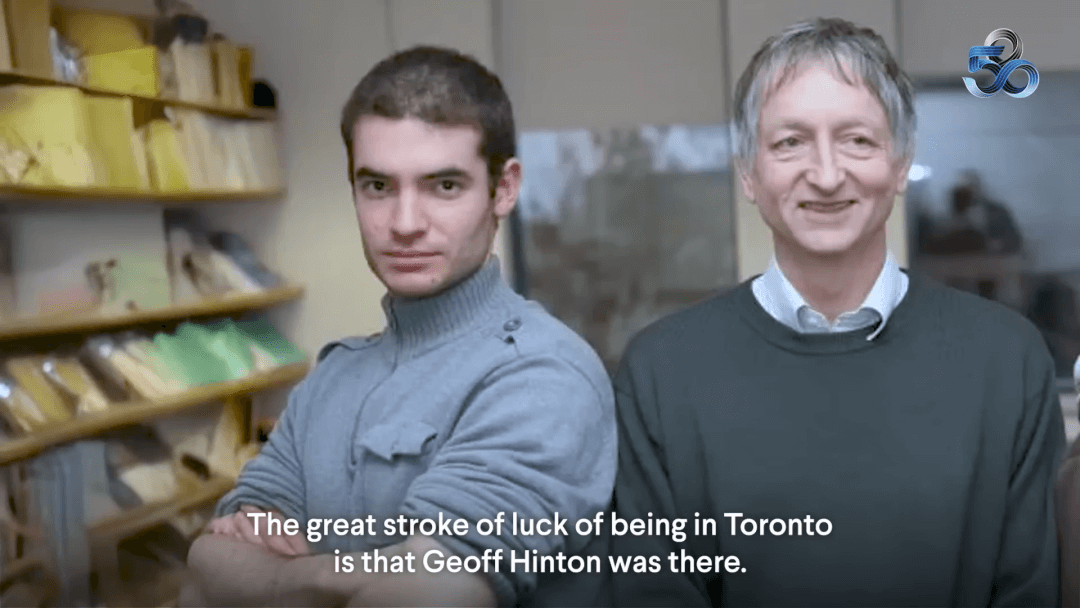
That question became his life’s compass. He eventually joined the University of Toronto, studying under Geoffrey Hinton, and contributed to AlexNet—the breakthrough that sparked the deep learning revolution. After his team was acquired by Google, he worked with Google Brain before co-founding OpenAI in Silicon Valley.
From a boy reading in libraries to a researcher behind the world’s most advanced AI models, he never stopped circling that core question: What is true learning? How does understanding form? And can machines ever achieve it?
02. The Endpoint of AI Learning
In the middle of his speech, he turned to AI’s future. While many expected him to outline post-ChatGPT roadmaps, he soberly stated: We are not ready.
He wasn’t making predictions but posing a question born of decades of research: Do we understand AI? Does it understand us? If AI one day cures diseases or extends human life, that would be good—but then what else could it do? Once AI learns to learn, it may create even smarter AI. What happens then?
There are no answers yet—not even from Ilya. He only stressed that we must prepare, even without a clear method. Coming from him, the warning carries unique weight. Unlike Sam Altman’s CEO-style futurism or Elon Musk’s alarm bells, Sutskever speaks as a researcher still asking machines and the world: How far can learning really go?
03. Ilya’s Moment of Closure
Toward the end, he reflected that for a long time, the Open University represented his entire faith in learning—not as a degree, but as a symbol. It taught him that if you’re willing to learn, you can go very far.
The boy who taught himself from textbooks and library finds now stands at the center of global AI. To him, it feels like a closing loop. He didn’t use words like “gratitude”—he called it faith. Not in education systems, but in learning itself.
04. Some Reflections
Watching this speech leaves a peculiar feeling. Today’s AI industry is booming—models grow larger, products update weekly. Yet those at the forefront, like Ilya, speak not of speed or power, but of uncertainty. He speaks slowly, without drama, yet every sentence echoes from the edges of knowledge.
He isn’t complaining or selling a futuristic vision. He’s reminding us: AI won’t wait for us to catch up. It is learning—and we must keep learning, too. It’s not enough to just observe, use, or fine-tune AI.
Whether AI can be controlled or aligned remains unknown. But one thing is clear: If humanity stops learning, we will never understand it.
Related AI column
























0 Comment