






Globe Explorer
Explorer (by Globe Engineer) is an AI-powered knowledge exploration and discovery platform that transforms user queries into structured, visual, and interactive topic pages. Leveraging large language models and web data synthesis, it goes beyond traditional search by organizing complex information into hierarchies, visual maps, and interactive sections — making it easier for learners, researchers, and curious users to understand subjects deeply and quickly.
What Is Explorer?
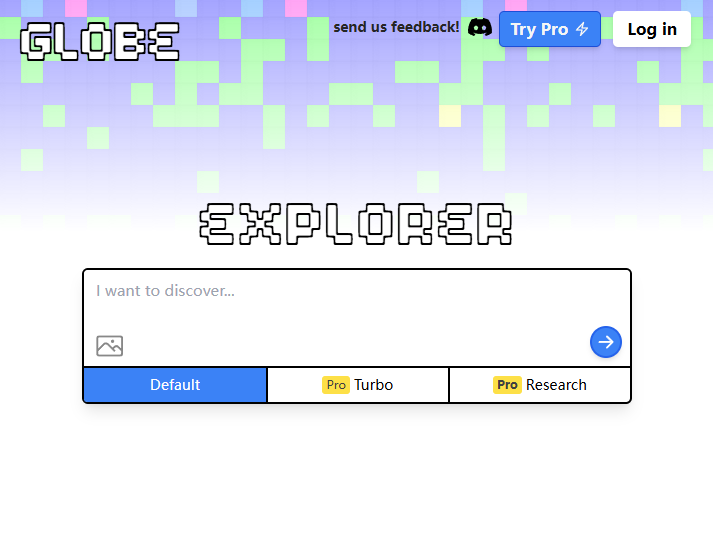
Explorer is an AI discovery engine designed to reimagine how users explore information on any topic. Rather than returning long lists of links like traditional search engines, it creates personalized knowledge pages with connected sections, visual diagrams, and summaries that help users grasp key points and relationships within the subject matter.
Key Features
Natural Language Topic Input
Users start by entering a topic, question, or phrase in plain language. The AI synthesizes web sources and domain knowledge to build a comprehensive overview of the topic, including core concepts and subtopics.
Structured Knowledge Pages
Explorer generates hierarchical topic pages that resemble a personalized Wikipedia — but enriched with visual information and organized for easier navigation. Each section logically builds on the last, helping users move from overview to deeper insight.
Visual Organization & Mind Maps
The platform often creates interactive visual maps and diagrams that reveal connections between concepts, timelines, or thematic clusters. These visuals aid comprehension and make complex ideas more accessible at a glance.
Aggregated Web Content
Explorer pulls relevant content from multiple sources across the internet, including articles, videos, research, and summaries, to present a rich, multi-perspective view of each topic rather than isolated snippets.
Collaborative Knowledge Building
Some reports indicate the platform supports annotations, comments, and contributions, enabling users to engage with and expand the generated content collaboratively.
How Explorer Works
- Input a Topic: Enter a subject you want to learn about or explore.
- AI Synthesis: The system uses LLMs and web retrieval to identify and rank relevant information.
- Structured Output: Explorer constructs a coherent, structured knowledge page with sections, visuals, and summaries.
- Interactive Navigation: Users can dig deeper into subtopics, view visual maps, and follow linked concepts.
Who Can Benefit?
Explorer is helpful for a wide range of users:
- Students & Educators: Quickly create organized overviews and study guides on academic topics.
- Researchers & Analysts: Explore complex subjects with contextual structure and cross-source synthesis.
- Curious Learners: Understand hobbies, current events, or niche interests without sifting through multiple search results.
- Professionals: Get rapid domain summaries and visual breakdowns for work or presentations.
Benefits of Using Explorer
- Comprehensive Coverage: Aggregates information from many sources into a single cohesive page instead of isolated links.
- Visual Learning: Diagrams and maps support visual learners and improve retention.
- Interactive Navigation: Users can explore subtopics without losing context.
- Flexible Use: Useful for education, professional research, and general knowledge exploration.
Availability & Access
Explorer can be accessed directly through its website. Some community posts suggest a freemium model with optional paid features (e.g., advanced exploration or additional exports).
Notes & Considerations
- Third-party trust analyses show mixed signals regarding domain transparency and reviews, so users should exercise normal caution when engaging with platforms that synthesize external information.
- Because Explorer pulls from multiple sources, critically reviewing underlying citations and sources remains important for accuracy.
Related AI Tools





0 Comment